

KP-042 · Soil Science & PQNK System
Soil Water Dynamics, Microclimate Feedback, and Plant Vigor in Raised Bed Systems
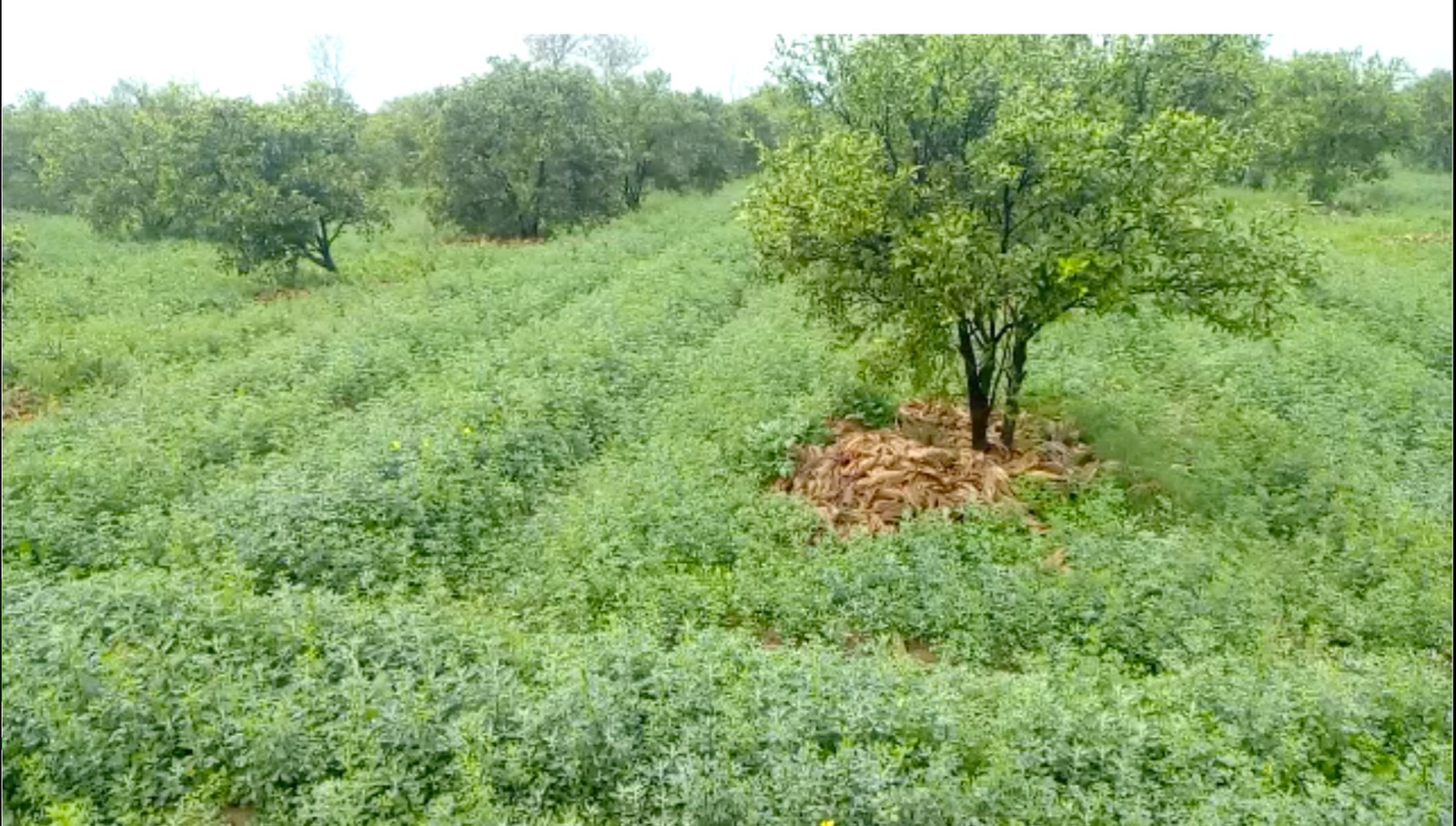
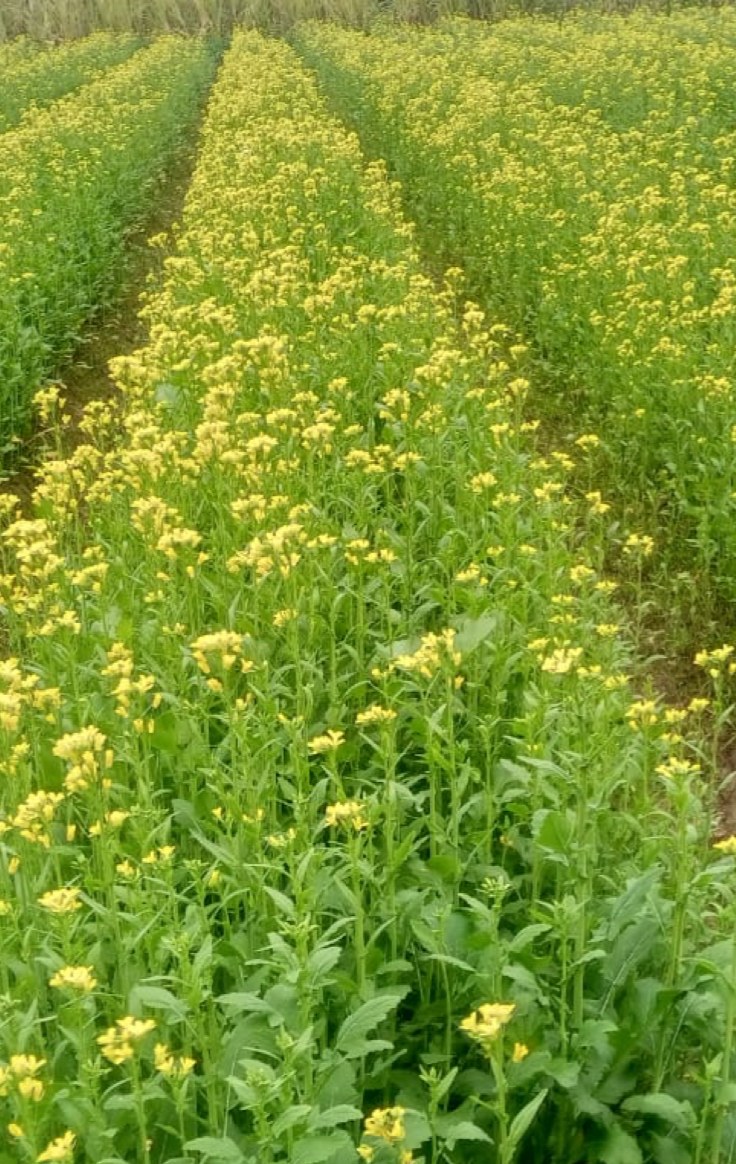
Field observation shows plants in the center of PQNK raised beds are consistently more vigorous than those on the shoulders; this paper traces that gradient to a 'nutrient harvesting' concentrating-flow mechanism in furrow-irrigated water, then extends the same soil physics to argue that hardpan-breaking can meaningfully influence local rainfall patterns.
Read or listen to the full paper ↓Abstract
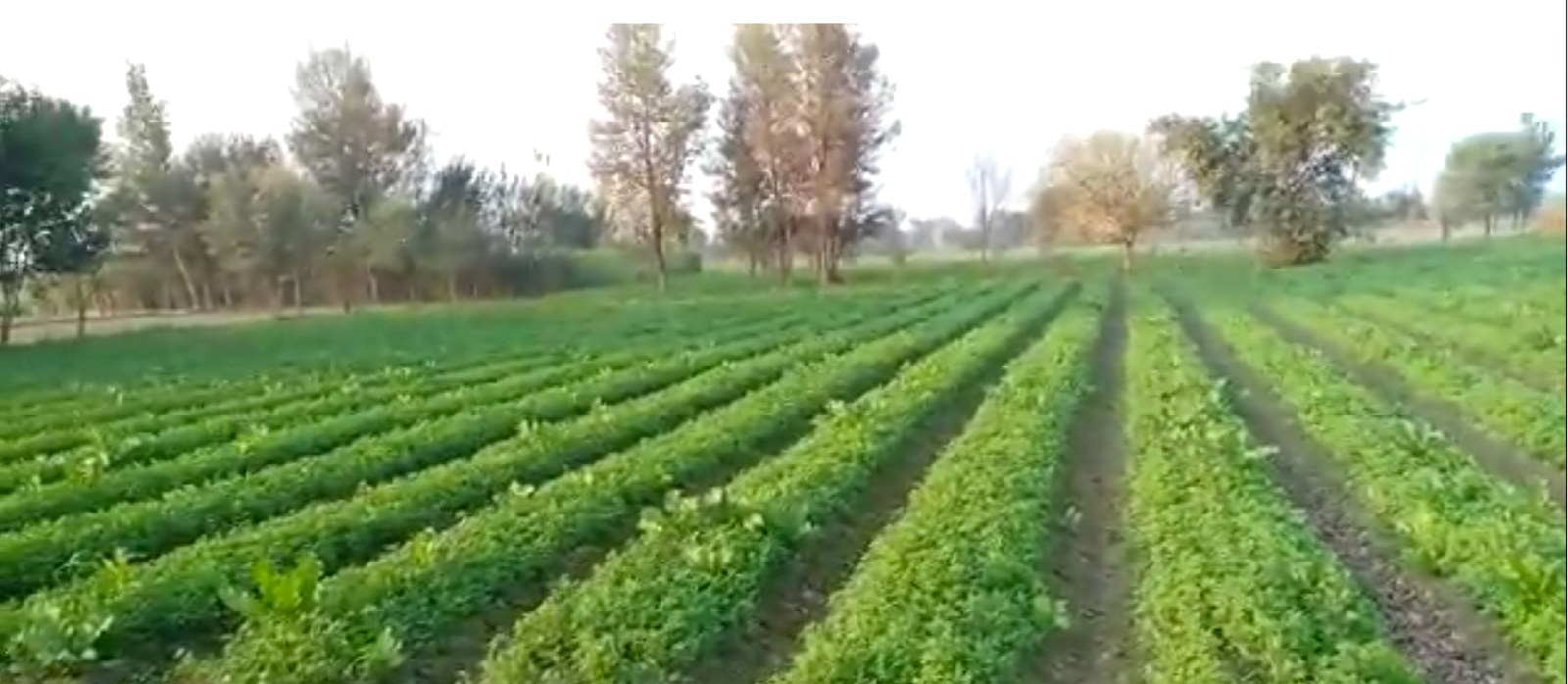
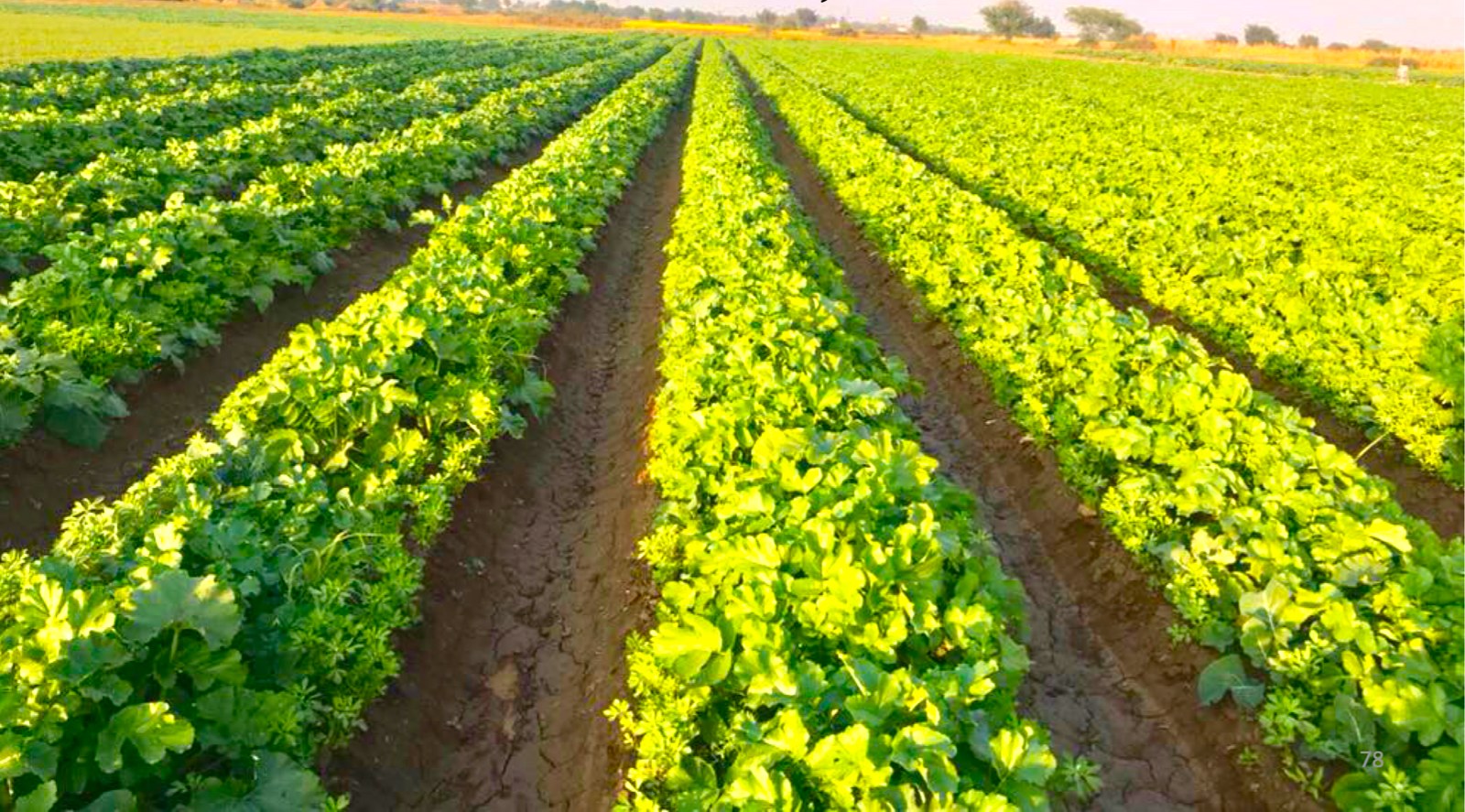
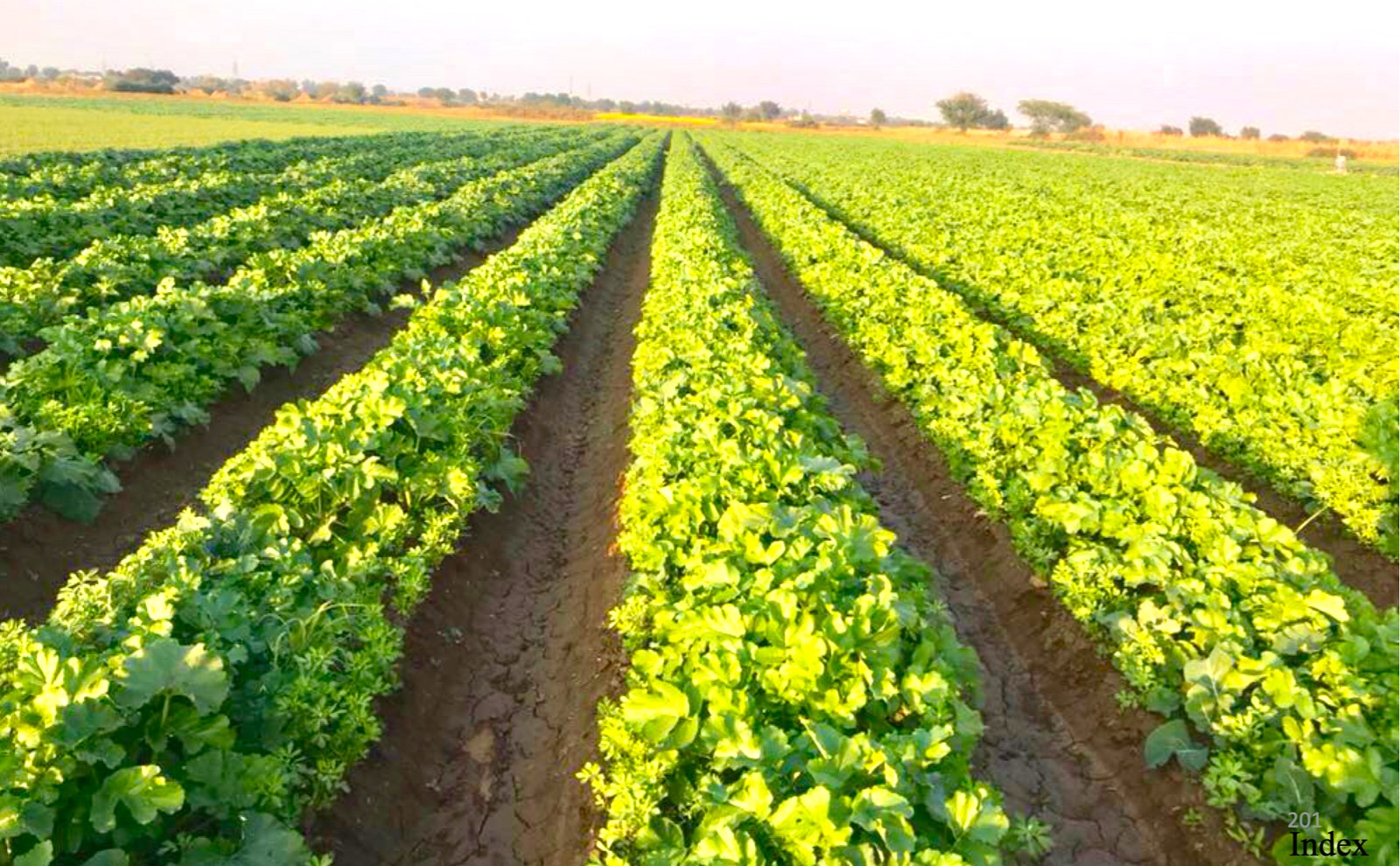
The paper opens from a consistent field observation: plants in the center of PQNK raised beds are typically more vigorous and taller than those on the bed shoulders. It sets out to explain this through established soil physics and ecohydrological principles, and to show how it connects to regional water cycling, arguing water in soil moves under two driving forces, gravity pulling it downward, and matric potential (capillary action), pulling it from wetter toward drier soil through the pores. When furrow water infiltrates, it saturates the adjacent soil and then redistributes both downward and laterally toward the drier bed center.
The heart of the paper is what it calls the 'nutrient concentration mechanism,' a four-stage process distinct from simple dilution. At the shoulder, saturation dissolves soluble fertilizer and native minerals into an initial dilute solution. As that water migrates laterally toward the center, it continues dissolving additional nutrients along its path, described as 'harvesting' rather than simply carrying a fixed solution. Simultaneously, the water's own volume shrinks as it's lost to soil matrix retention, plant uptake, and deep percolation, so a diminishing volume of water carries a growing solute load, arriving at the center as a highly concentrated, nutrient-dense solution. Plants rooted there access this superior nutritive density alongside the superior aeration of the less-saturated central zone.
The paper offers its own analogy for farmers: water moving from furrow to bed center behaves like a stream flowing down a mountain, large but sediment-poor at the top, eroding and picking up minerals along its course, and arriving at a quiet valley pool smaller in volume but far richer in dissolved minerals, exactly the pool the center-bed plants are rooted in.
A separate section extends this analysis to hardpan breakage. Removing this dense, impermeable layer lets irrigation and rainwater infiltrate deep into the subsoil and aquifer rather than pooling or running off, creating a deep moisture reservoir that also represents new landscape water-storage capacity. The paper argues this sends a coherent signal through the land-atmosphere system: reduced surface runoff cuts rapid evaporation from standing water, deep stored moisture accessible to roots sustains transpiration (a latent-heat-flux transfer of water vapor to the atmosphere), and a landscape with high infiltration capacity and deep soil moisture has a different energy balance that can more effectively promote the convective activity behind cloud formation and precipitation.
The paper's synthesis ties mulching (reduced surface evaporation), vigorous plant growth (increased transpiration), and hardpan breakage (deep recharge) into one synergistic hydrological profile: rather than signaling 'saturation and runoff,' the landscape signals 'high capacity and utilization,' a combination the paper argues is meteorologically conducive to triggering convective rainfall, meaning intelligent soil management may not just conserve water on-farm but actively participate in regenerating the local water cycle.
Full Paper
If you use “Listen”, the text of the page may be sent to your browser or operating system’s speech provider, such as Apple, Google or Microsoft, depending on the voice your device uses. Pedaver does not process, transmit or store any audio.
Nutrients dissolved in water that move towards the centre.
1.0 Introduction
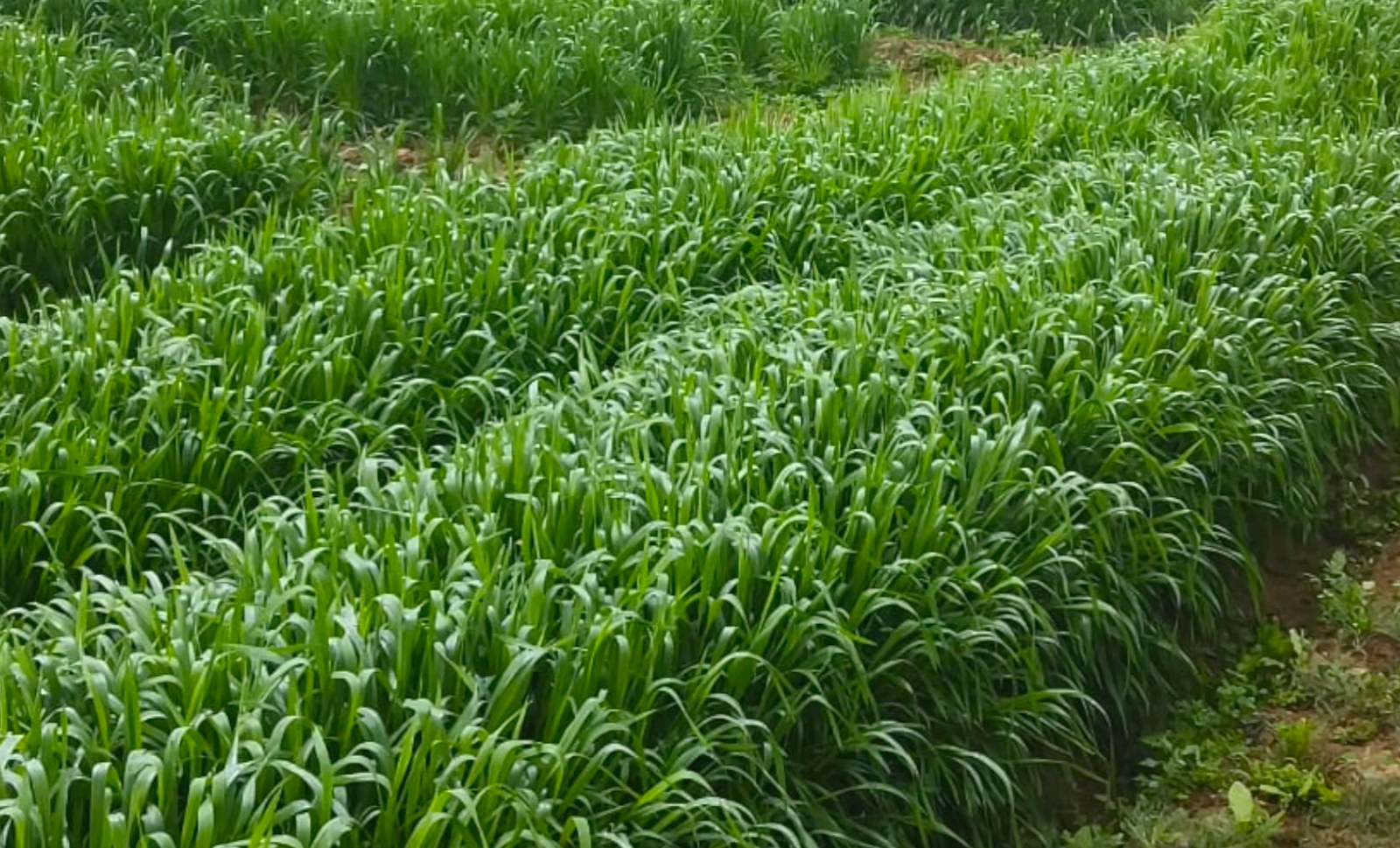
Understanding how water moves in soil is fundamental to efficient irrigation and crop management. This paper synthesizes field observations from the PQNK Raised Bed System with established soil physics and ecohydrological principles to explain the movement of water and nutrients, and their direct impact on plant vigor and regional water cycling. A consistent observation within this system is that plants in the center of raised beds are typically more vigorous and taller than those on the bed shoulders. This
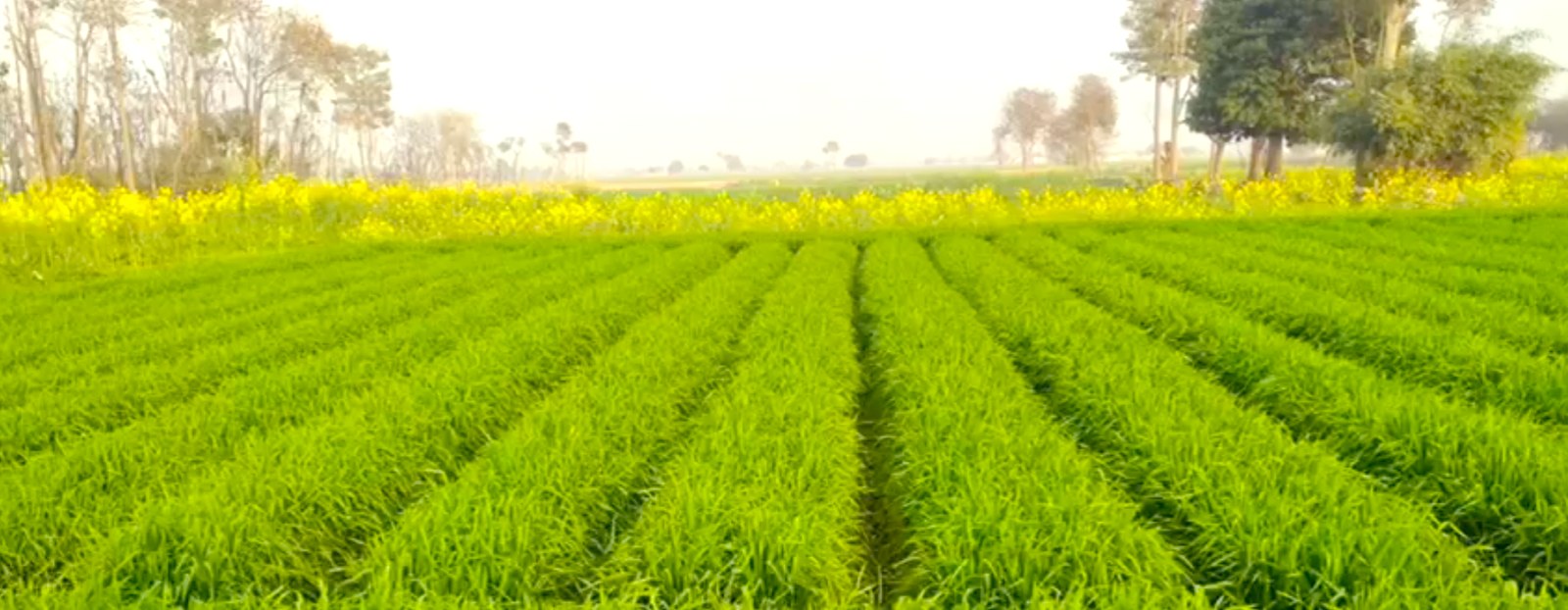
phenomenon is a direct result of scientific principles governing water movement and solute transport, which can be further amplified by management practices like mulching to influence local microclimates and potentially even rainfall patterns.
Scientific Principles of Soil Water Movement

2.0 Scientific Principles of Soil Water Movement
2.1 Driving Forces Water in soil moves in response to two primary forces:
• Gravity: Pulls water downward through soil pores.
• Matric Potential (Capillary Action): This is the osmosis-like process referenced in field teachings. It is the attraction between water molecules and soil particles. Water moves from areas of higher water potential (wetter soil) to areas of lower water potential (drier soil) through soil pores.
2.2 Infiltration and Redistribution When water is applied to a furrow:
1. Infiltration: Water enters the soil profile from the furrow, saturating the soil immediately adjacent to it.
2. Lateral Redistribution: The combined forces of gravity and matric potential drive the wetting front both downward and laterally towards the drier center of the bed, creating a moisture gradient.
The Nutrient Concentration Mechanism
3.0 - The Nutrient Concentration Mechanism
Solute Accumulation During Transport: The "Nutrient
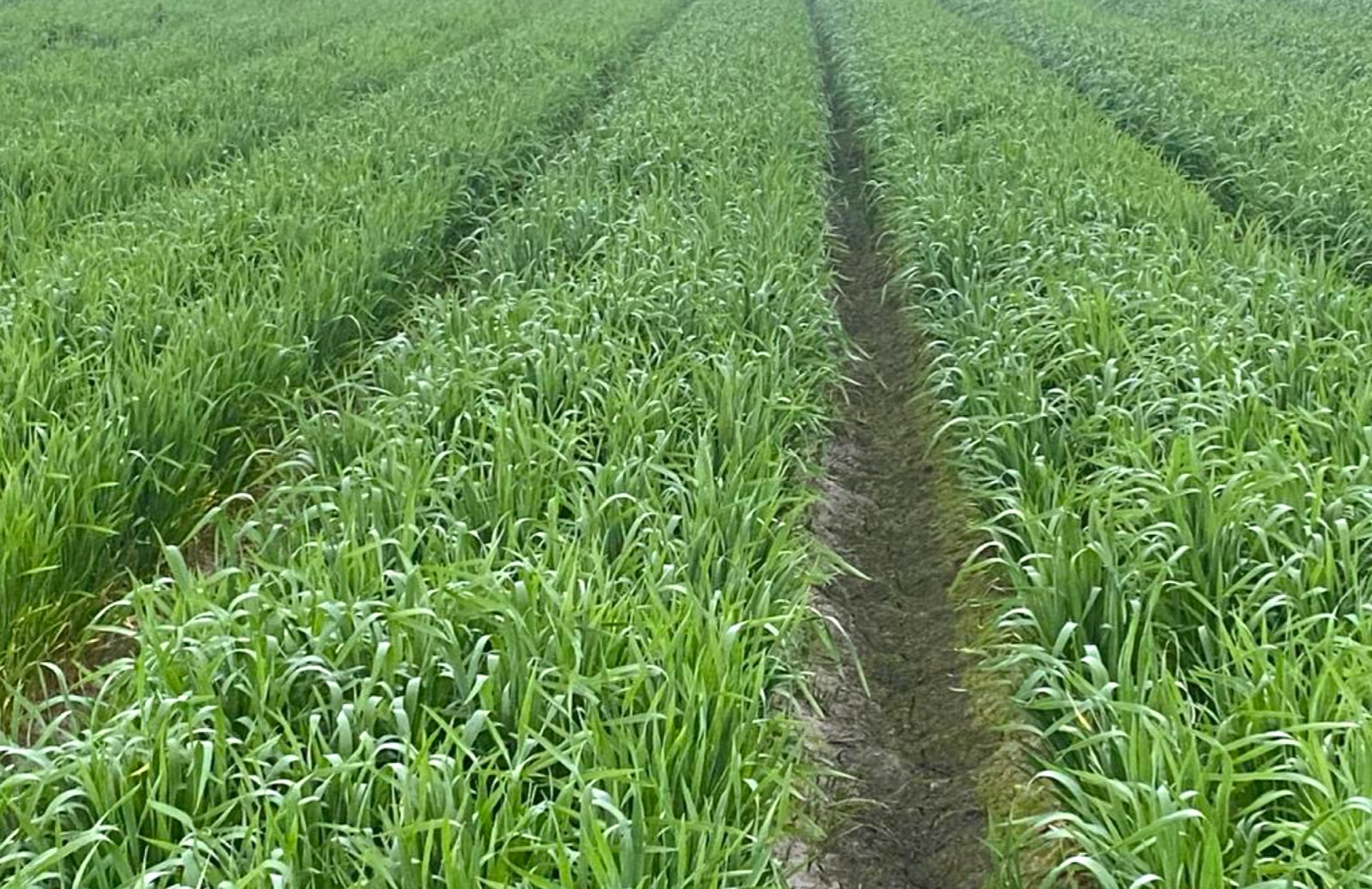
Harvesting" Effect The observed plant vigor gradient is primarily driven by a process of solute accumulation and concentrating flow, which differs from a simple dilution model.
• Stage 1 - Mobilization at the Shoulder: Soil near the water channel becomes saturated. This saturation dissolves soluble fertilizers and native soil minerals, creating an initial, dilute nutrient solution.
• Stage 2 - Progressive Dissolution Along the Flow Path:
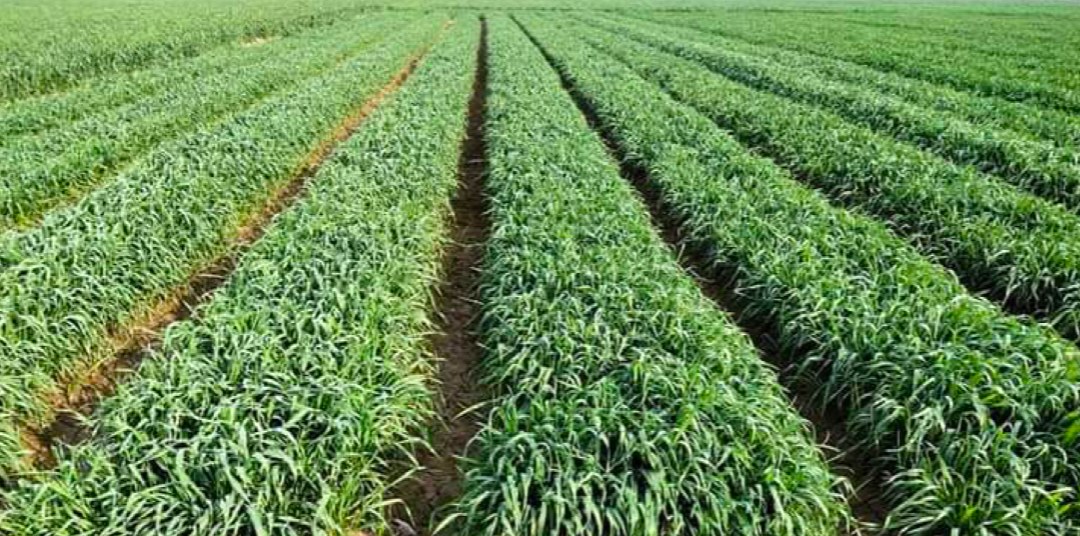
As this water moves laterally via capillary action from the saturated shoulder towards the drier bed center, its journey is not merely a transfer of the initial solution. Crucially, the moving water front continues to dissolve and mobilize additional nutrients from the soil pores it traverses. This is a key distinction: the water acts as a continuous solvent, "harvesting" nutrients along its path.
Concentrating Flow at the Center
• Stage 3 - Concentrating Flow at the Center: Simultaneously, the volume of the liquid water phase in this advancing front is not constant. A portion of the water is
continuously lost to:
1. Soil Matrix Retention: Water is held in the micropores of the soil through which it travels.
2. Plant Uptake: Roots in the pathway intercept and absorb water.
3. Deep Percolation: Gravity pulls some water downward. This results in a diminishing water volume carrying an increasing solute load. By the time the water front reaches the central root zone, it has become a highly concentrated,
nutrient-dense soil solution—not because the same nutrients are in less water, but because more nutrients have been dissolved into a gradually reducing water stream.
• Stage 4 - Optimal Plant Uptake: Plants in the center therefore access a solution of superior nutritive density, facilitating highly efficient nutrient uptake via mass flow and diffusion, while also benefiting from the superior aeration of this less-saturated zone.
Simplified Analogy for Farmers
Simplified Analogy for Farmers:
Think of the water moving from the furrow to the bed center like a small stream flowing down a mountain. At the top (the furrow), the stream is large but carries little sediment. As it flows, it erodes and picks up soil and minerals from its banks and bed. By the time it reaches a quiet pool in the valley (the bed center), the stream is smaller, but the water is much richer in minerals because it has gathered them along its entire journey. The center plants are rooted in that mineral-rich pool. This revised explanation accurately reflects the dynamic process of continuous dissolution into a concentrating flow, which is the true engine behind the nutrient gradient in the PQNK system.
The Role of Hardpan Breakage in Hydrological Feedback
4.0: The Role of Hardpan Breakage in Hydrological Feedback The PQNK Raised Bed System incorporates a critical mechanical intervention: the breaking of hardpans or compacted soil layers. This practice extends the hydrological
influence of the system beyond the root zone, creating a deeper, more powerful signal to the regional water cycle.
Scientific Mechanism:
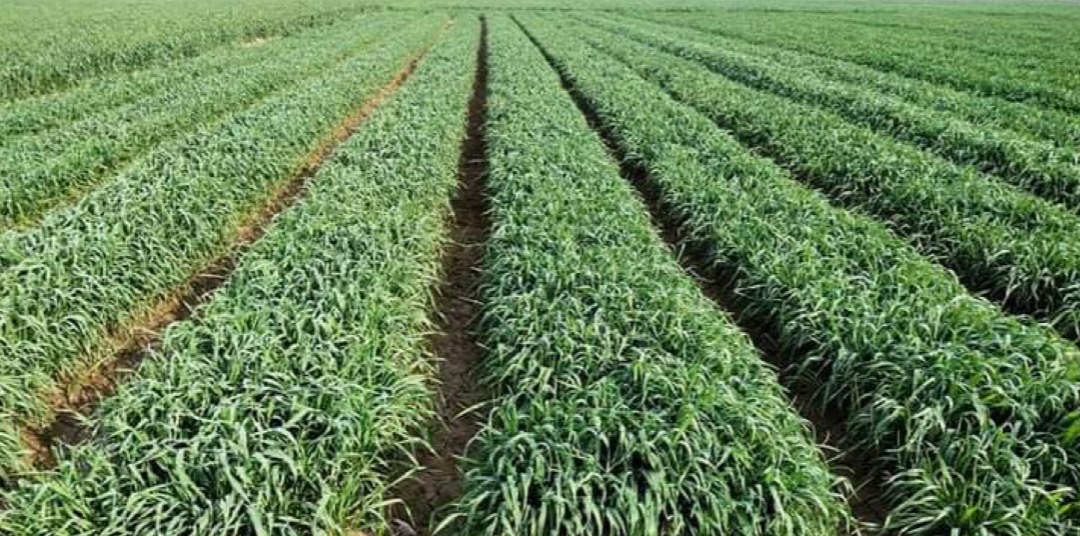
1.Enhanced Infiltration and Recharge: A hardpan is a dense, impermeable soil layer that restricts vertical water movement. When this barrier is broken, irrigation or rainwater can infiltrate deeply into the subsoil and aquifer, rather than pooling on the surface or running off. 2.Creation of a Deep Moisture Deficit: This deep infiltration establishes a significant subsoil and groundwater reservoir. Crucially, it also creates a larger, deeper volume of soil capable of storing additional water. From the perspective of the land-atmosphere system, this represents a substantial increase in the landscape's water storage
Feedback to the Atmospheric Water Cycle:
3.Feedback to the Atmospheric Water Cycle: This
geological alteration sends a coherent signal through the Earth system:
• Reduced Surface Water: By eliminating surface runoff and ponding, breaking the hardpan reduces immediate, rapid evaporation from standing water.
• Increased Latent Heat Flux: The stored deep moisture becomes accessible to deep-rooted plants and can slowly move upward via capillary rise, supporting sustained transpiration—a process that transfers water vapor (latent heat) efficiently into the atmosphere.
• Thermodynamic Trigger: A landscape with high infiltration capacity and deep soil moisture has a different energy balance. It can promote convective activity—the rising warm, moist air that forms clouds—more effectively than a sealed, runoff-prone landscape. The deep soil acts as a "bank," drawing in atmospheric moisture to refill it, thereby encouraging the convergence of air masses that lead to precipitation.
Logical Synthesis with Prior Concepts
The combined practices—mulching (reducing surface evaporation), vigorous plant growth (increasing transpiration), and hardpan breakage (enabling deep recharge)—create a synergistic hydrological profile. The landscape no longer signals "saturation and runoff" but rather signals "high capacity and utilization." This integrated signal—of low surface humidity from mulch, high biotic vapor flux from plants, and a deep, drainable soil profile—is meteorologically conducive to attracting and triggering convective rainfall events. The system effectively demonstrates that intelligent soil management does not just conserve water in situ, but can actively participate in regenerating the local water cycle by altering the fundamental land-surface properties that govern atmospheric feedbacks.
Footnote: PQNK (pronounced 'picnic')—the regenerative & sustainable Pristine Organic Farming System—is grounded in Natural Ecosystem Science. This science employs perennial biodiversity, protects soil with organic mulch, and avoids practices like water inundation, tillage disturbance, and leaving soil bare.
About This Paper
- Problem
- Weak / Shallow Root Establishment · Regional Rainfall / Microclimate Variability
- Science
- Soil · Water · Climate
- Evidence
- Scientific Mechanism
- Authority
- Current / Approved PQNK Knowledge
Related PQNK Science
Key Takeaways
- Plants at the bed center are consistently more vigorous than those on the shoulders due to a 'nutrient harvesting' concentrating-flow effect, not simple dilution.
- As irrigation water moves laterally from the furrow toward the bed center, it continuously dissolves additional nutrients while its own volume shrinks, arriving at the center as a highly concentrated solution.
- The paper's own analogy: water moving toward the bed center behaves like a mountain stream picking up sediment, arriving smaller in volume but far richer in minerals.
- Breaking the hardpan does more than help roots: it creates a deep subsoil moisture reservoir that changes the field's land-atmosphere energy balance.
- Combined mulching (less surface evaporation), vigorous transpiration (more latent heat flux), and deep infiltration (a moisture 'bank') are argued to create conditions meteorologically conducive to convective rainfall.
- The practical implication offered is that intelligent soil management doesn't just conserve water on-farm, it may help regenerate the local water cycle.
Related Knowledge
same problem
Deep Subsoil Remediation & Activation: Strategic Pathways for Compacted Soils
This paper lays out PQNK's two-track response to hardpan: a preferred one-time mechanical subsoiling where machinery is available, and a patient, plant-and-fungi-driven biological pathway for farms where it isn't, with mycorrhizal fungi cast as the ecosystem's 'stone breaker.'
same problem
The Management of Soil Density within the Closed-Loop Regenerative System
This knowledge paper gives PQNK's soil-density protocol precise numbers: a target bulk density of 1.0-1.3 g/cm³ for loamy field soil, with compaction onset flagged above 1.4 and severe compaction above 1.6, then walks through the same four-step transition sequence used to hit and hold that range without any external soil amendment.
same problem
The PQNK Raised Bed System: Engineering Optimal Root Zone Environments for Vigorous Plant Production
This paper details the precise trapezoidal geometry, 42-inch top width and 8-inch height, and dual-zone irrigation strategy behind PQNK raised beds, showing how the system intentionally separates a lateral 'hydraulic' water reservoir from a central 'nutrient-aeration' zone so plants can draw independently on each as needed.
same problem
Why PQNK Sugarcane Does Not Need Earthing Up
Earthing up is mandatory in conventional sugarcane: the set is placed in a furrow 6 to 8 inches deep between ridges 6 to 8 inches high, above a compacted hardpan, roots stay shallow, and the profile has to be reversed with soil piled around the stool. PQNK removes the cause instead: the hardpan is broken once, cane grows on permanent beds, roots go deep, the crown stays near the aerated surface and the full sugar-rich base can be harvested.