

KP-043 · Soil Science & PQNK System
The PQNK Raised Bed System: Engineering Optimal Root Zone Environments for Vigorous Plant Production
This paper details the precise trapezoidal geometry, 42-inch top width and 8-inch height, and dual-zone irrigation strategy behind PQNK raised beds, showing how the system intentionally separates a lateral 'hydraulic' water reservoir from a central 'nutrient-aeration' zone so plants can draw independently on each as needed.
Read or listen to the full paper ↓Abstract
The paper's executive summary describes PQNK's raised beds as moving beyond uniform soil irrigation by intentionally engineering distinct moisture and aeration zones within the same bed. The core innovation is a central dense nutrient-aeration zone paired with lateral water absorption zones, letting plants self-regulate their uptake of water versus dense nutrient solution according to physiological need, rather than facing a single, compromised root environment.
This is framed as designing a heterogeneous rhizosphere that mimics beneficial natural structures through specific bed geometry, controlled irrigation technique, and managed compaction, eliminating the typical trade-off between waterlogging and drought stress. The bed's precise architectural specification is given as: 42-inch top width, 52-inch bottom width, 18-inch furrow top width, 8-inch furrow bottom width, and 8 inches of bed-to-furrow height, a trapezoidal shape that defines both the growing surface and the water-movement pathways.
The lateral hydraulic absorption zone occupies roughly the outer third of each bed side, adjacent to the furrow. Irrigation delivered slowly via 2-inch syphon tubes, combined with the natural compaction of the furrow bottom from repeated foot and machinery traffic, reduces vertical percolation and encourages horizontal seepage into the bed sides; this zone functions as the plant's primary water reservoir for transpirational cooling, and irrigation is deliberately stopped once the mulch shows only minimal darkening, preserving the distinction from the drier center. The central dense nutrient and aeration zone, shielded from direct lateral seepage, stays at lower moisture but higher nutrient concentration and preserved porosity, serving as the plant's powerhouse for nutrient uptake and root respiration.
The paper describes the plant-root relationship as self-regulating: roots forage the central zone for concentrated nutrients and oxygen as primary nutrition, while drawing on the lateral zones specifically when extra water is needed for transpirational cooling, letting the plant optimize each physiological process independently rather than compromising across a single environment.
On implementation, a standard acre (198 ft by 220 ft) is laser-leveled to zero slope and laid out as 40 beds along the 198-foot side, promoting deep infiltration of rainwater exactly where it falls. Two adjoining beds are allocated to perennial orchard crops (with tubers prohibited to avoid disturbance), and three beds are reserved for rotating annual crops planted through mulch via VIPP, SIPP, or hand dribbler. Notably, the paper states no external nitrogen-fixing cover crops like cowpea are recommended, since the soil is considered rich enough in mineral nitrogen and native microbial fixation to meet the crop's needs without them.
Full Paper
If you use “Listen”, the text of the page may be sent to your browser or operating system’s speech provider, such as Apple, Google or Microsoft, depending on the voice your device uses. Pedaver does not process, transmit or store any audio.
Unveiling the Hydraulic and Aerobic Architecture of PQNK Raised Beds
1.0 Executive Summary
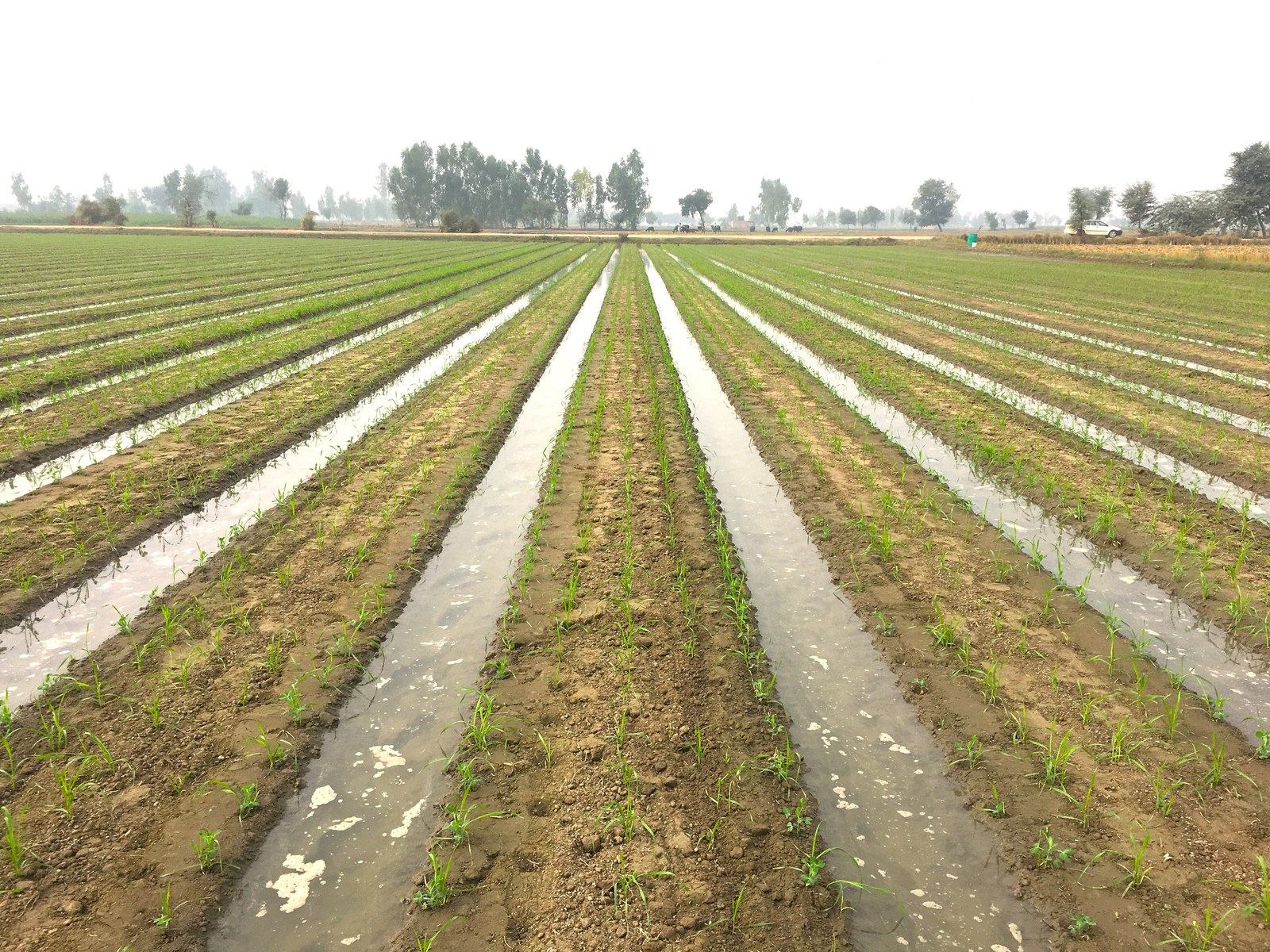
"The PQNK (Paedar Qudratti Nizam Kashatqari) framework, aptly pronounced 'picnic', introduces a revolutionary approach to cultivation by intentionally engineering distinct moisture and aeration zones within raised beds. This system moves beyond uniform soil irrigation, creating a dynamic root-accessible environment where water, nutrients, and air are strategically positioned. The core innovation lies in the formation of a central dense nutrient-aeration zone and lateral water absorption zones, allowing plants to self-regulate their uptake of water and dense nutrient solutions based on physiological needs. This knowledge paper details the structure and function of this system, highlighting its benefits for root vigor, plant health, and sustainable production.
2.0 Introduction: The Paradigm of Engineered Micro-Environments
Conventional agriculture often treats the soil profile as a homogeneous medium. The PQNK framework challenges this by designing a heterogeneous rhizosphere that mimics beneficial natural structures. By leveraging specific bed geometry, controlled irrigation techniques, and managed compaction, PQNK creates a "plant-responsive" environment where roots have privileged access to both highly aerated nutrient solutions and readily available water, eliminating the typical trade-off between waterlogging and drought stress.
3.0 The Architectural Design of PQNK Raised Beds
The foundation of this system is a precisely constructed raised bed with specific dimensions:
Bed Top Width: 42 inches
Bed Bottom Width: 52 inches
Furrow Top Width: 18 inches
Furrow Bottom Width: 8 inches
Bed - Furrow height: 8 inches
This trapezoidal shape provides a large, stable surface area for plant growth and defines the pathways for water movement.
4.0 The Core Innovation: Dual-Zone Hydraulic and Aerobic Dynamics
The PQNK system engineers two primary micro-environments within the raised bed, accessible to the plant's root system.
4.1 The Lateral Hydraulic Absorption Zones
Location: The one third of each bed side, adjacent to the furrow.
Formation: Irrigation is delivered slowly via 2-inch syphon tubes into the furrows. The constant passage of workers and machinery naturally compacts the furrow bottom, reducing vertical percolation and encouraging horizontal seepage into the bed sides.
Function: This zone acts as the plant's primary water reservoir. The water here is a diluted nutrient solution, readily available to meet the plant's transpirational demands, especially for cooling during periods of high temperature. A key management practice is to irrigate only until the mulch shows minimal darkening, preventing saturation of the bed center and maintaining the distinct zones.
4.2 The Central Dense Nutrient and Aeration Zone
Location: The central core of the raised bed.
Composition: This zone is characterized by aerated soil and a dense water-nutrient solution. Because it is shielded from direct irrigation seepage from the sides, it remains at a lower moisture level than the lateral zones.
Function: This is the plant's powerhouse for nutrient uptake and root respiration. Roots growing into this center have direct access to a high-concentration nutrient solution and, critically, ample oxygen due to the preserved soil porosity. Plants absorb this "dense water-nutrients solution" for vigorous growth, while their aeration needs are fully met by this central zone.
5.0 The Plant-Root Synergy: A Self-Regulating System
The true genius of the PQNK system is how the plant interacts with these engineered zones. The root system is not forced to adapt to a single, compromised environment. Instead, it thrives by exploiting both:
Primary Nutrition & Aeration: Roots actively forage in the central zone for the dense nutrient solution and essential oxygen.
Hydraulic Support: When the plant requires extra water for transpirational cooling, it efficiently draws from the lateral hydraulic zones.
This bifurcated access allows the plant to optimize its physiological processes independently, leading to a more vigorous and resilient growth cycle.
6.0 System Implementation and Crop Alignment
Field Layout: For a standard acre (198 ft x 220 ft), 40 beds are constructed along the 198-foot side.
Laser-Leveling: The entire block is laser-leveled to ensure zero slope. This promotes deep infiltration of rainwater where it falls, eliminating runoff and aligning with the PQNK philosophy of utilizing natural precipitation.
Cropping Strategy:
Orchard Beds: Two adjoining beds are allocated for perennial orchard crops. The stable, dual-zone environment is ideal for deep-rooted perennials. Tubers are prohibited here to avoid soil disturbance.
Rotation Beds: Three beds are reserved for circular production of annual crops using efficient planting methods (VIPP, SIPP, hand dribbler) through mulch.
Soil Fertility: The system is self-sufficient. No external N-fixers like cowpea are recommended, as the soil is rich in mineral nitrogen and native microbes fix nitrogen from the air, adhering to the core PQNK principle of no external inputs.
7.0 Conclusion
The PQNK raised bed system is a sophisticated agro-ecological engineering solution. By moving beyond simple bed-and-furrow irrigation, it creates a dynamic, plant-centric root environment. The deliberate separation of the dense nutrient-aeration zone from the lateral hydraulic zones empowers plants to manage their growth and cooling needs with unprecedented efficiency. This results in a vigorous production system that is inherently sustainable, resource-efficient, and fully aligned with the natural principles of the PQNK philosophy.
Footnote: Any Production Process That Inundates Soil With Water, Disturbs Soil Through Tillage, Or Leaves Soil Bare Without Organic Mulch Cover Does Not Qualify As Natural Ecosystem Science For Production Agriculture.
PQNK, to be pronounced as 'picnic', which stands for Paedar Qudratti Nizam Kashatqari, and means: the regenerative & sustainable Pristine Organic Farming System.
www.Facebook.Com/Pedaver
https://www.youtube.com/@pedaverpqnk3167/videos
pedaver@gmail.com
WhatsApp +92 320 677 6666
About This Paper
- Problem
- Waterlogging · Weak / Shallow Root Establishment
- Science
- Soil · Water · Production Architecture
- Evidence
- Scientific Mechanism
- Authority
- Current / Approved PQNK Knowledge
Related PQNK Science
Key Takeaways
- PQNK raised beds follow a precise trapezoidal spec: 42-inch top width, 52-inch bottom width, 18-inch furrow top, 8-inch furrow bottom, and 8-inch bed height.
- The system deliberately engineers two distinct root-zone environments: lateral hydraulic zones near the furrow (a diluted, readily available water reservoir) and a central dense nutrient-aeration zone (a concentrated, oxygen-rich nutrient source).
- Furrow bottoms are intentionally compacted by foot and machinery traffic to reduce vertical percolation and push irrigation water sideways into the bed.
- Irrigation is deliberately stopped once mulch shows only minimal darkening, preserving the distinction between the two zones rather than saturating the whole bed.
- A standard acre (198ft x 220ft) is laser-leveled to zero slope and laid out as 40 beds, with two adjoining beds reserved for perennial orchard crops and three for rotating annual crops.
- No external nitrogen-fixing cover crops like cowpea are used; the system relies on native soil microbes and mineral nitrogen already present in the soil.
Related Crops
Related Knowledge
same problem
Farming Beyond the Calendar
Explains why changing weather has made the fixed sowing calendar unreliable and why PQNK does not depend on weather forecasts. Permanent raised beds under continuous organic mulch hold soil temperature and the moisture-air balance, so healthy plants withstand heat, cold, drought, intense and excessive rainfall and an erratic monsoon; a 1-2% ethanol foliar spray relieves ambient temperature stress, and the sowing decision is made from the condition of the field.
same problem
Deep Subsoil Remediation & Activation: Strategic Pathways for Compacted Soils
This paper lays out PQNK's two-track response to hardpan: a preferred one-time mechanical subsoiling where machinery is available, and a patient, plant-and-fungi-driven biological pathway for farms where it isn't, with mycorrhizal fungi cast as the ecosystem's 'stone breaker.'
same problem
Banana Cultivation on PQNK (PICNIC)
Documenting a tissue-culture banana plantation in the frost-prone, heat-extreme foothills of Nainital, this paper argues that banana is not climate-limited but soil-limited, and that a permanent grass and mulch cover, not soil cleanliness, is what lets it survive both winter frost and summer heat without chemical inputs.
same problem
Why PQNK Sugarcane Does Not Need Earthing Up
Earthing up is mandatory in conventional sugarcane: the set is placed in a furrow 6 to 8 inches deep between ridges 6 to 8 inches high, above a compacted hardpan, roots stay shallow, and the profile has to be reversed with soil piled around the stool. PQNK removes the cause instead: the hardpan is broken once, cane grows on permanent beds, roots go deep, the crown stays near the aerated surface and the full sugar-rich base can be harvested.