

KP-056 · Water & Climate
Heatwaves, Pollination Failure, and the PQNK Soil–Plant–Atmosphere Buffer
March heat spikes above 38°C during citrus flowering have caused widespread pollen sterility, flower drop, and yield collapse severe enough to push farmers toward pruning or removing whole orchards. This paper uses infrared soil-temperature data to show bare soil hitting 60-66°C versus 31°C under mulch, and argues pollination failure is a soil-management outcome, not an unavoidable climate fate.
Read or listen to the full paper ↓Abstract
The paper opens by quantifying a recurring crisis: sudden March heat spikes exceeding 38°C during citrus flowering cause rapid pollen dehydration and viability loss, poor stigma receptivity, failed fertilization, and massive flower and fruitlet drop, distress severe enough that farmers resort to heavy pruning or outright orchard removal. Field measurements cited in the paper show bare soil surface temperatures reaching 60-66°C during these events, root-zone temperatures exceeding biological tolerance limits, and over 80% of soil moisture evaporating, compounding plant stress.
Its central argument is that successful pollination is a whole-plant physiological outcome, not an isolated floral event: it depends on viable pollen, hydrated stigmas, stable carbohydrate supply, functional hormonal signaling, and continuous water and nutrient flow, all of which a heatwave disrupts simultaneously. Under this framing, pollination failure is rooted in soil collapse and thermal shock at the root zone, not solely in the air temperature the flower itself experiences.
Infrared field data included in the paper contrasts bare soil at 60-66°C against dry mulch and live mulch soil at roughly 31°C, a 30-35°C reduction attributed entirely to organic mulch cover. High soil temperature is described as burning organic matter, killing beneficial microbes, disrupting nutrient mineralization, and collapsing root respiration, forcing the plant into a survival mode in which it aborts flowers to conserve energy rather than complete pollination.
PQNK's protective mechanism is explained across four fronts: mulch acts as a thermal flywheel that keeps root-zone temperature in a biologically safe range and water films around roots intact even as air temperature spikes; broken hardpan and slow-release surface moisture from mulch sustain cell turgor, pollen hydration, and stigma receptivity; active microbes deliver balanced calcium, boron, potassium, zinc, and trace elements that stabilize the auxin-cytokinin balance and strengthen flower attachment points; and adequate root support allows leaves to regulate canopy temperature through controlled transpiration rather than accumulating heat. The paper explicitly answers a farmer's question about whether mulching 'from below' can protect flowers from heat 'above': yes, because flowers fail from internal dehydration and nutrient stress, and a hydrated, well-nourished plant withstands short-term air heat spikes that a stressed one cannot.
It closes with practical heatwave-season guidance, maintain permanent mulch cover, never expose soil during flowering, ensure deep moisture ahead of expected heat events, avoid nitrogen spikes before flowering, and preserve microbial life as the first line of defense, framing the whole approach as regeneration rather than adaptation to a fixed climate reality.
Full Paper
If you use “Listen”, the text of the page may be sent to your browser or operating system’s speech provider, such as Apple, Google or Microsoft, depending on the voice your device uses. Pedaver does not process, transmit or store any audio.
Bare soil surface temperatures reach 60–66 °C
Root-zone temperatures exceed biological tolerance limits
Over 80% of soil moisture evaporates, intensifying plant stress
Pollination failure is therefore not merely an atmospheric phenomenon—it is rooted in soil collapse and thermal shock.
2. Pollination Is a Whole-Plant Physiological Process
Successful pollination depends on:
Viable pollen grains
Hydrated stigmas
Stable carbohydrate supply
Functional hormonal signaling
Continuous water and nutrient flow
Heatwaves disrupt all of these simultaneously. Under PQNK, pollination is understood as an outcome of internal plant health, not an isolated floral event.
3. Soil Temperature: The Invisible Trigger
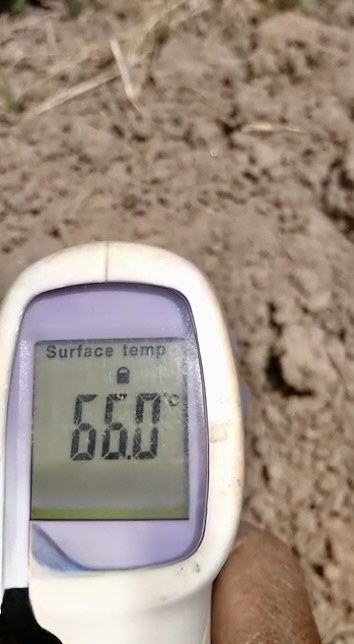
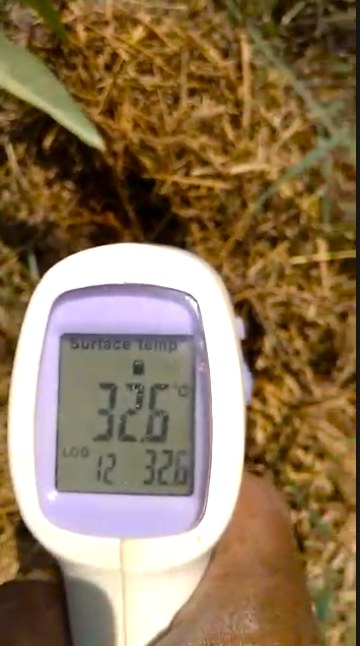
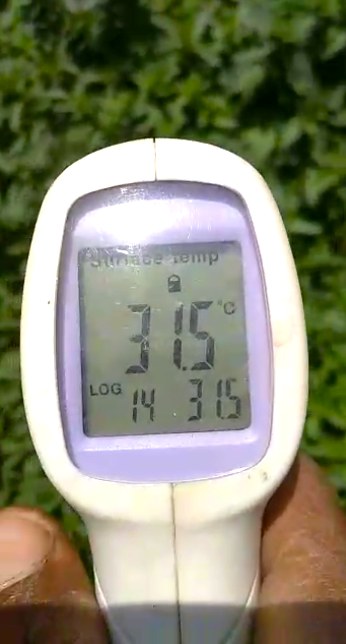
Infrared field data from PQNK plots demonstrate:
Bare soil: 60–66 °C surface temperature
Mulched soil: 31 °C surface temperature
30–35 °C reduction due to organic mulch
High soil temperature:
Burns organic matter
Kills beneficial microbes
Disrupts nutrient mineralization
Collapses root respiration
Forces plants into survival mode
In survival mode, plants abort flowers to conserve energy.
4. How PQNK Protects Pollination During Heatwaves
4.1 Soil as a Thermal Flywheel
Organic mulch acts as a thermal buffer, absorbing, diffusing, and delaying heat transfer. Even when air temperature spikes:
Root-zone temperature remains biologically safe
Water films persist around roots
Microbial metabolism continues uninterrupted
4.2 Continuous Moisture = Pollen Hydration
PQNK ensures:
Deep moisture storage via broken hardpan
Slow-release surface moisture via mulch
This sustains:
Cell turgor
Pollen hydration
Stigma receptivity
4.3 Microbe-Made Nutrition and Hormonal Balance
Active microbes under PQNK:
Supply balanced Ca, B, K, Zn, and trace elements
Stabilize auxin–cytokinin balance
Strengthen flower attachment points
This reduces premature flower shedding even under thermal stress.
4.4 Leaf Cooling Through Transpiration Control
With adequate root support:
Leaves regulate temperature through controlled transpiration
Heat from above is dissipated rather than accumulated
Canopy temperature remains lower than ambient air
5. Why Bare Soil Amplifies Heatwave Damage
Bare soil creates a positive feedback loop:
High soil temperature → microbial death
Microbial death → nutrient lock-up
Nutrient lock-up → weak flowers
Weak flowers → heat-induced shedding
Additionally, bare soil contributes to atmospheric warming (+2 °C), further intensifying heatwaves.
6. Addressing the Farmer’s Core Question
Does mulching from below really protect flowers from heat coming from above?
Yes—because:
Flowers fail due to internal dehydration and nutrient stress
PQNK stabilizes the plant from the roots upward
A hydrated, nourished plant can withstand short-term air heat spikes
Mulch does not block heat directly—it prevents the plant from collapsing internally.
7. Practical PQNK Guidelines for Heatwave-Season Pollination
Maintain permanent organic mulch cover
Never expose soil during flowering season
Ensure deep moisture before expected heatwaves
Avoid nitrogen spikes before flowering
Preserve microbial life as the first line of defense
8. Conclusion
Heatwave-induced pollination failure is not an unavoidable climate fate. It is a soil-management outcome. PQNK transforms soil into a living thermal and biological buffer that sustains pollen viability, flower retention, and fruit set—even under extreme weather volatility.
Healthy soil creates healthy flowers. Healthy flowers withstand heat.
This is not adaptation—it is regeneration.
—————————
Footnote: PQNK (pronounced 'picnic')—the regenerative & sustainable Pristine Organic Farming System—is grounded in Natural Ecosystem Science. This science employs perennial biodiversity, protects soil with organic mulch, and avoids practices like water inundation, tillage disturbance, and leaving soil bare.
It is the process that matters most. PQNK is a pristine production system designed not merely for yield, but for optimal, balanced output—where quality, sustainability, and ecological harmony emerge from a self-regulated, zero-external-input methodology.
www.Facebook.Com/Pedaver
https://www.youtube.com/@pedaverpqnk3167/videos
http://www.youtube.com/@aasifsharif
PDF Knowledge papers: https://drive.google.com/drive/folders/1iadwV6mdUPyrUIpB3oRfNv6DLiackaUL?usp=sharing
pedaver@gmail.com
WhatsApp +92 320 677 6666
About This Paper
- Crop
- Citrus (Kinnow)
- Problem
- Poor Flowering / Fruit Set · Heat Stress on Crop · Soil Temperature Extremes
- Science
- Climate · Plants · Soil
- Evidence
- Measured Field Result
- Authority
- Current / Approved PQNK Knowledge
Related PQNK Science
Key Takeaways
- Infrared field data shows bare soil reaching 60-66°C during March heatwaves versus roughly 31°C under organic mulch, a 30-35°C reduction.
- Frames pollination failure as a whole-plant physiological collapse triggered by root-zone thermal shock, not merely an effect of hot air on open flowers.
- Over 80% of soil moisture is reported evaporating from bare soil during heatwave events, intensifying plant stress at the exact moment flowering demands stable water supply.
- PQNK's mulch layer functions as a 'thermal flywheel,' keeping root-zone temperature and root-zone water films stable even when air temperature spikes.
- Directly answers the practitioner question of whether mulching can protect flowers from heat: yes, because it prevents the internal dehydration and nutrient stress that cause flower abortion, not because it blocks heat directly.
- Practical guidance: never expose soil during flowering season, ensure deep moisture ahead of expected heatwaves, and avoid nitrogen spikes before flowering.
Related Crops
Related Knowledge
same problem
The Silenced Clock: How Broken Water Cycles Disrupt Temperature-Cued Plant Development, and the PQNK Restoration Pathway
When Punjab and Mardan citrus orchards broke dormancy in an early-spring 2026 warm spell only to be hit by an abrupt cold snap, trees turned autumn-yellow and dropped every flower with zero fruit set. This paper traces the failure to a destabilized water cycle scrambling the temperature signals plants depend on, and argues PQNK's hardpan-breaking and mulch practices restore the stable thermal rhythm that a functioning biological clock requires.
same problem
PQNK Advisory: Understanding Nematode Damage in ACI Systems and the Path to Recovery with PQNK
A citrus grower on hot, sandy, drip-irrigated dunes was seeing classic nematode damage and assumed it meant waterlogged, anaerobic soil, the opposite of his actual conditions. This advisory explains how heat- and drought-stressed root tips create the same localized decay zone nematodes exploit, and prescribes live mulch as the direct, three-part fix.
same problem
Enhancing Wheat Crop Lifespan through the PQNK System
The short, rapidly warming spring of the Indian subcontinent forces wheat into premature ripening and shriveled grain under conventional management. This paper explains the soil-biology mechanisms by which PQNK extends the crop's productive lifespan, letting it fill grain longer and yield more even under heat stress.
same problem
A Knowledge Paper on Citrus Flowering and Fruiting Within the PQNK Ecosystem
Citrus flowers are bisexual and fully self-pollinating, meaning every bloom is a potential fruit, so this paper argues that flower drop is not natural sexual sorting but a stress response, and that the single most damaging intervention a farmer can make in a mature PQNK bed is watering it.