

KP-016 · Crop-Specific Guides
Cotton Cultivation by Mulching
Straw and plastic mulching trials run over several years at the Central Cotton Research Institute in Multan cut cotton production costs by half, reduced water use by 30%, and lifted output by 30%. This paper by Sajid Mahmood surveys the organic and inorganic mulching materials behind those results and the weed-suppression, moisture-retention, and temperature-buffering mechanisms that drive them.
Read or listen to the full paper ↓Abstract
The paper defines mulching as the strategic covering of the soil surface to mitigate moisture loss, suppress weeds, and enhance yield, surveying both organic and inorganic material options for cotton. Wheat straw and paddy straw are the most commonly used organic mulches, valued for accessibility and effectiveness as barriers against moisture depletion and weed proliferation, while composting is presented as a complementary route to nutrient-rich soil amendment. Among inorganic options, black plastic mulch warms the soil while suppressing weeds, and clear plastic mulch boosts soil temperature further to encourage early crop growth; the right choice depends on local climate, crop type, material access, and whether the goal is weed management, moisture preservation, or soil enhancement.
The paper's central case study is the Central Cotton Research Institute in Multan, where paddy and wheat straw mulch, applied under what the paper calls LEEF Technology, has delivered consistent results for a number of years. Compared against traditional cultivation, this approach produced a 30% reduction in water usage, cut production costs in half, and boosted overall production by roughly 30%, figures the paper treats as clear evidence of mulching's compounding benefits across cost, water, and yield.
Mechanistically, the paper walks through why mulching works: it shields plants from direct sun and heat stress, blocks weed seed germination and the resulting competition for nutrients, water, and sunlight, moderates soil temperature during both the scorching heat of June and July and cooler seasons, and reduces irrigation need and cost as a direct consequence of that temperature buffering. Mulch also stabilizes soil structure against erosion from intense rainfall or wind, and creates a physical barrier between soil and the lower leaves of cotton plants that lowers the risk of soil-borne disease.
Organic mulches carry an additional long-term benefit: as compost and crop residues decompose, they enrich soil with organic matter, improving structure, fertility, and the population of beneficial soil microbes, a boost to overall plant well-being that the paper links directly to elevated fiber quality and yield. Organic mulching also reduces the need for labor-intensive weeding and costly herbicides, a practical cost saving layered on top of its ecological benefits, including reduced synthetic-herbicide reliance and water conservation.
The paper is careful to flag the trade-offs: mulched fields can become more vulnerable to certain pests and diseases, since the same moist, sheltered environment that conserves water and suppresses weeds can also host insects and pathogens, and unmaintained mulch can shelter rodents that damage plants. It closes by cautioning that mulch type and application method must be matched to local conditions, climate, and cotton variety, and that mulching should complement rather than replace other judicious weed management and monitoring practices.
Full Paper
If you use “Listen”, the text of the page may be sent to your browser or operating system’s speech provider, such as Apple, Google or Microsoft, depending on the voice your device uses. Pedaver does not process, transmit or store any audio.
Mulching, an essential agricultural technique, involves the strategic covering of the soil surface with a variety of materials to mitigate moisture loss, suppress weed growth, and enhance crop yields. This practice entails the application of a protective layer, comprising both organic and inorganic materials, over the soil. Among the organic options, wheat straw mulch and paddy straw are frequently employed, particularly in the cultivation of crops such as cotton. These readily accessible materials serve as effective barriers against soil moisture depletion and the proliferation of unwanted weeds. Composting, a sustainable practice, harnesses the power of natural decomposition to transform organic matter into a valuable soil amendment or mulch, brimming with nutrients. In the realm of inorganic materials, plastic sheets take center stage, with various types and hues serving specific purposes. The dependable black plastic mulch not only warms the soil but also acts as a formidable weed deterrent. In contrast, clear plastic mulch assumes the role of a soil temperature booster, encouraging early growth in crops. A notable success story in this arena is the application of paddy straw and wheat straw mulch for cotton cultivation at the Central Cotton Research Institute in Multan. This time-tested technique, known as LEEF Technology, has consistently delivered impressive results for numerous years, demonstrating its efficacy in enhancing agricultural productivity. The choice of mulching material is a decision influenced by a multitude of factors, including the local climate, the type of crop being cultivated, material accessibility, and the specific objectives of mulching, be it weed management, moisture preservation, or soil enhancement. In the realm of cotton farming, it is a common practice to opt for organic mulches like straw or plastic variants.
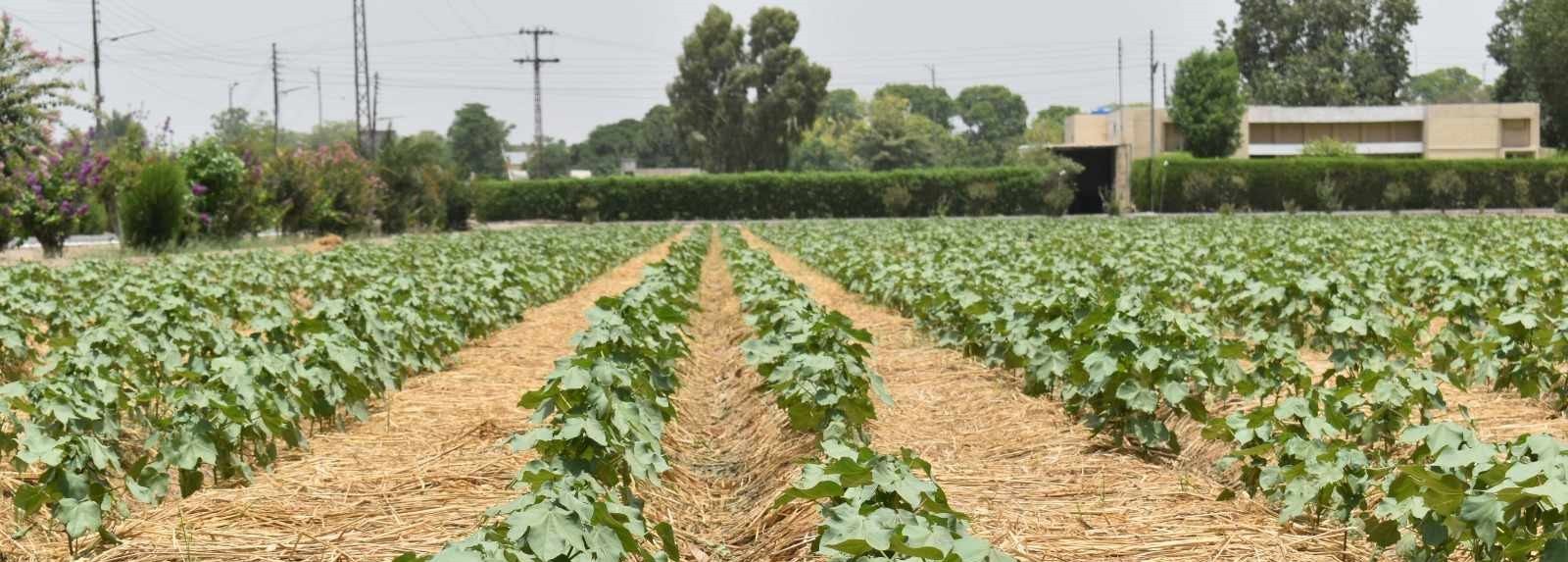
Fig 1: Cotton Cultivation by Mulching at Central Cotton Research Institute, Multan
These selections prove valuable in realizing a host of advantages, including the effective control of weeds, the conservation of crucial moisture levels, and the regulation of soil temperature, all contributing to a thriving cotton crop. The merits of employing mulching techniques in cotton cultivation are indisputable. This method serves as a protective shield, shielding the cotton plants from the scorching heat of the sun, directly bolstering their well-being. Furthermore, it acts as a formidable barrier against the germination of weed seeds, thereby safeguarding cotton plants from the resource-stealing clutches of these unwanted interlopers. Through mulching, the field's ecosystem undergoes a transformation, reducing competition among the cotton plants for essential nutrients, water, and sunlight. This is of paramount importance in cotton fields where stringent weed control measures are imperative, ensuring optimal conditions for a bountiful cotton harvest. Likewise, the practice of mulching plays a pivotal role in moderating soil temperatures, proving especially advantageous during the scorching months of June and July, as well as in the chillier seasons. By doing so, mulching fosters an environment conducive to robust plant growth and early development. During the sweltering summer months, it acts as a shield, preventing soil from overheating and alleviating stress on cotton plants. This, in turn, leads to a reduced need for irrigation compared to traditional cultivation methods, resulting in substantial water conservation and cost savings. Notably, cotton fields are vulnerable to soil erosion during intense rainfall or strong winds, yet the application of mulch acts as a safeguard by mitigating the impact of raindrops and stabilizing soil structure. Another advantage of mulch lies in its creation of a protective barrier between the soil and the lower leaves of cotton plants, effectively lowering the risk of soil-borne diseases. This holistic approach contributes to the vitality of cotton crops and ultimately translates into higher yields. Organic mulches, including compost and crop residues, offer a sustainable solution that delivers long-term benefits to soil health. As these materials break down over time, they enrich the soil with vital organic matter, thereby enhancing its structure, fertility, and the population of beneficial soil microbes. This increase in microbial activity proves to be a boon for cotton crops, promoting their overall well-being, elevating fiber quality, and ensuring a robust yield. Another significant advantage of organic mulching is the reduction in the need for labor-intensive weeding and costly herbicides, presenting a practical cost-saving measure for farmers.
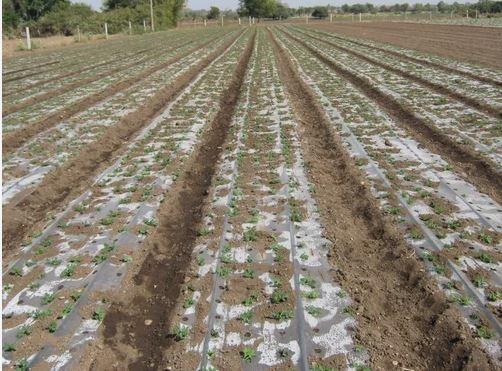
Fig 2 : Cotton Cultivation by Mulching of Plastic Sheet
Beyond the economic benefits, mulching aligns with environmentally friendly farming practices by curbing the reliance on synthetic herbicides and conserving precious water resources, thus contributing to sustainable and responsible agriculture. Moreover, mulching serves as a vital ally in the ongoing battle against soil erosion, offering a means to mitigate the environmental footprint of agricultural activities. Nevertheless, the selection of the appropriate mulch type and application method is paramount, hinging upon local conditions, climate dynamics, and the specific cotton variety in cultivation. It is crucial to recognize that the efficacy of mulching can exhibit variations in different settings. Moreover, while mulching provides significant benefits, it should not overshadow the importance of implementing other judicious weed management strategies and maintaining vigilant monitoring practices. This holistic approach ensures the triumph of cotton cultivation when combined with mulch, safeguarding both crop health and environmental sustainability. The Central Cotton Research Institute in Multan has been conducting successful experiments in mulching, particularly with their innovative LEEF Technology, for several years now. When pitted against traditional cultivation methods, the results have been nothing short of remarkable. The mulching approach has delivered a significant 30% reduction in water usage, slashed production costs by half, and boosted overall production by an impressive 30%. These statistics underscore the manifold benefits of mulching in cotton farming. Nevertheless, it's important to acknowledge that while mulching holds tremendous promise, it does come with a caveat in the form of increased vulnerability to certain pests and diseases, a consideration that cotton growers must weigh carefully in their farming strategies. While mulching undoubtedly offers numerous advantages such as moisture conservation and effective weed control, it also creates an environment conducive to the proliferation of certain insects and pathogens, posing a potential threat to cotton crops. Furthermore, if not meticulously maintained, an excess of mulch can inadvertently serve as a habitat for rodents, which, in turn, may inflict damage upon the plants. Therefore, it is paramount to exercise vigilant monitoring and diligent management when employing mulching techniques, addressing potential issues such as pest infestations and diseases proactively. Despite its challenges, the mulching method remains a valuable tool in cotton cultivation. However, its application should be approached with careful consideration of specific conditions, local climate, and available resources. Growers must assess whether mulching aligns with their unique circumstances and objectives. Effective planning and meticulous management practices are essential for harnessing the full benefits of mulching while mitigating its potential drawbacks in cotton cultivation.
About This Paper
- Crop
- Cotton
- Problem
- High Crop Water Demand · High Input / Production Cost · Weed Pressure · Soil Erosion · Fungal / Bacterial Disease
- Science
- Soil · Water · Crop Protection · Economics
- Evidence
- External Scientific Evidence
- Authority
- Current / Approved PQNK Knowledge
Related PQNK Science
Key Takeaways
- CCRI Multan's LEEF Technology mulching trials cut cotton production costs by 50%, reduced water use by 30%, and raised production by 30% versus conventional cultivation.
- Organic mulches (wheat straw, paddy straw) suppress weeds, conserve moisture, and moderate soil temperature through both summer heat and cooler seasons.
- As organic mulch decomposes it enriches soil organic matter and microbial populations, improving fiber quality alongside yield.
- Black plastic mulch warms soil and suppresses weeds, while clear plastic mulch boosts soil temperature further to encourage early crop growth.
- Mulch reduces soil erosion from rainfall and wind, and forms a physical barrier that lowers soil-borne disease risk on lower leaves.
- The main trade-off is increased vulnerability to certain pests, diseases, and rodents if mulch is not vigilantly monitored and maintained.
Related Crops
Related Knowledge
same problem
Restoring Earth's Operating System: The PQNK Framework for Regenerative Agriculture
A comprehensive policy and investment brief that models global agriculture's degenerative trajectory against a PQNK-led alternative, laying out true-cost economics, a five-year implementation roadmap with quarterly KPIs, and specific financial instruments, from transition bonds to farmer cooperative financing, meant to move PQNK from pilot to planetary scale.
same problem
Potato Planting Depth vs Mulch-Based No-Till Planting: A Production, Economics, and Quality Analysis under the PQNK System
A scientific and economic comparison of conventional 6-inch deep seed burial against PQNK's surface-placement-plus-mulch method, showing that mulch delivers the same tuber-zone temperature control as deep burial while also enabling earlier sowing, denser planting, and a roughly 90% cut in per-acre production cost.
same problem
PQNK: The Pristine Organic Production System for Onion and Garlic Cultivation
A propagation-focused guide to onion and garlic under PQNK, comparing seeds, large bulbs, and offsets as planting material before laying out the full 10-step PQNK transition sequence, from hardpan-breaking through raised-bed formation to harvest timed by leaf yellowing.
same problem
Unlocking the Secrets of the Soil: Understanding Deep Topsoil and Nature's Partnership
Answering a farmer's questions about topsoil and the plant-air-soil nutrient split, this paper explains how PQNK builds 'deep topsoil' many inches below the surface through a plant-microbe carbon pump, and unpacks why nature evolved a system where over 95% of a plant's mass comes from air and water while a mere 0.083% mineral fraction from soil governs everything.